
How to Fight a DUI Charge in Ontario: Legal Defenses & Options
A DUI charge in Ontario can have serious consequences, including hefty fines, a suspended driver’s license, and even jail time. However, an arrest does not guarantee a conviction. Many factors can influence the outcome of your case, and legal defenses may be available to challenge the charges.
What Constitutes Impaired Driving in Ontario?
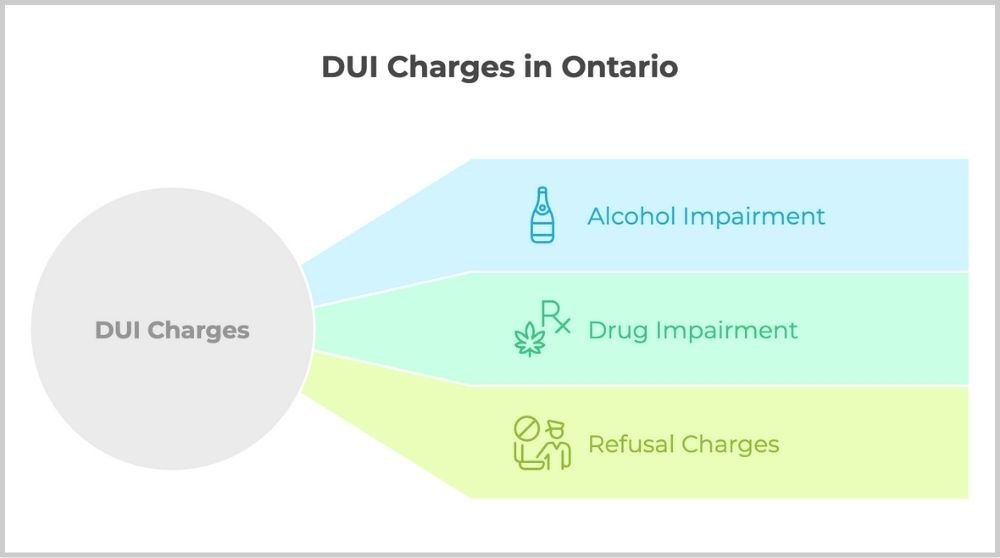
Under the Criminal Code of Canada, impaired driving refers to operating a vehicle while:
- Having a blood alcohol concentration (BAC) of 0.08 or higher
- Being impaired by alcohol or drugs, even if below the legal BAC limit
- Failing a standardized field sobriety test conducted by law enforcement
Ontario police use breathalyzers, blood tests, and field sobriety assessments to determine impairment. However, these tests are not always foolproof and can be challenged in court.
Common Defenses Against a DUI Charge in Ontario
If you have been charged with impaired driving, there are several legal defenses a skilled Ontario DUI lawyer may use to fight the charges:
1. Unlawful Traffic Stop
Law enforcement officers must have reasonable grounds to stop a vehicle. If the stop was arbitrary or without just cause, any evidence gathered may be inadmissible in court.
2. Inaccurate Breathalyzer Test
Breathalyzer devices must be properly calibrated and maintained. If the device was faulty or mishandled, the results could be unreliable and challenged in court.
3. Improper Field Sobriety Test
Sobriety tests, such as walking a straight line, can be influenced by factors like:
- Medical conditions
- Weather conditions
- Nervousness or stress
If the test was not administered correctly, it may be possible to dispute the results.
4. Violations of Legal Rights
Every individual has the right to legal representation and must be informed of their rights upon arrest. If these rights were violated, the case could be dismissed.
What Happens If You Are Convicted?
If convicted of a DUI charge in Ontario, penalties can include:
- First offense: Fine of at least $1,000 and a one-year license suspension
- Second offense: Mandatory jail time (minimum of 30 days) and a three-year license suspension
- Third offense: Jail time (minimum of 120 days) and a lifetime driving ban (with potential for reinstatement after 10 years)
In some cases, a plea deal may be negotiated, reducing penalties in exchange for measures like attending an alcohol rehabilitation program or installing an ignition interlock device.
Why You Need an Experienced Ontario DUI Lawyer
Hiring a DUI lawyer in Ontario as soon as possible can significantly impact the outcome of your case. A lawyer can:
- Assess whether police followed proper procedures
- Challenge unreliable test results
- Negotiate plea deals or reduced charges
- Protect your legal rights throughout the process
FAQ About DUI Charges in Ontario
1. Can a DUI charge be dismissed in Ontario?
Yes, if evidence is weak, improperly obtained, or if procedural errors occurred, a charge can be dismissed. A lawyer can identify potential weaknesses in the case.
2. How long does a DUI stay on your record in Ontario?
A DUI conviction remains on your criminal record indefinitely unless a record suspension (pardon) is granted.
3. Can I refuse a breathalyzer test in Ontario?
Refusing a breathalyzer test is a criminal offense and carries penalties similar to a DUI conviction, including fines and license suspension.
4. What should I do if I’m charged with a DUI in Ontario?
Seek legal representation immediately. The sooner a lawyer is involved, the better your chances of reducing or dismissing the charges.
Conclusion
A DUI charge in Ontario can have severe consequences, but legal defenses are available. Understanding your rights and working with a qualified Ontario DUI lawyer can help protect your future. If you or a loved one are facing impaired driving charges, don’t hesitate to seek legal advice immediately.