
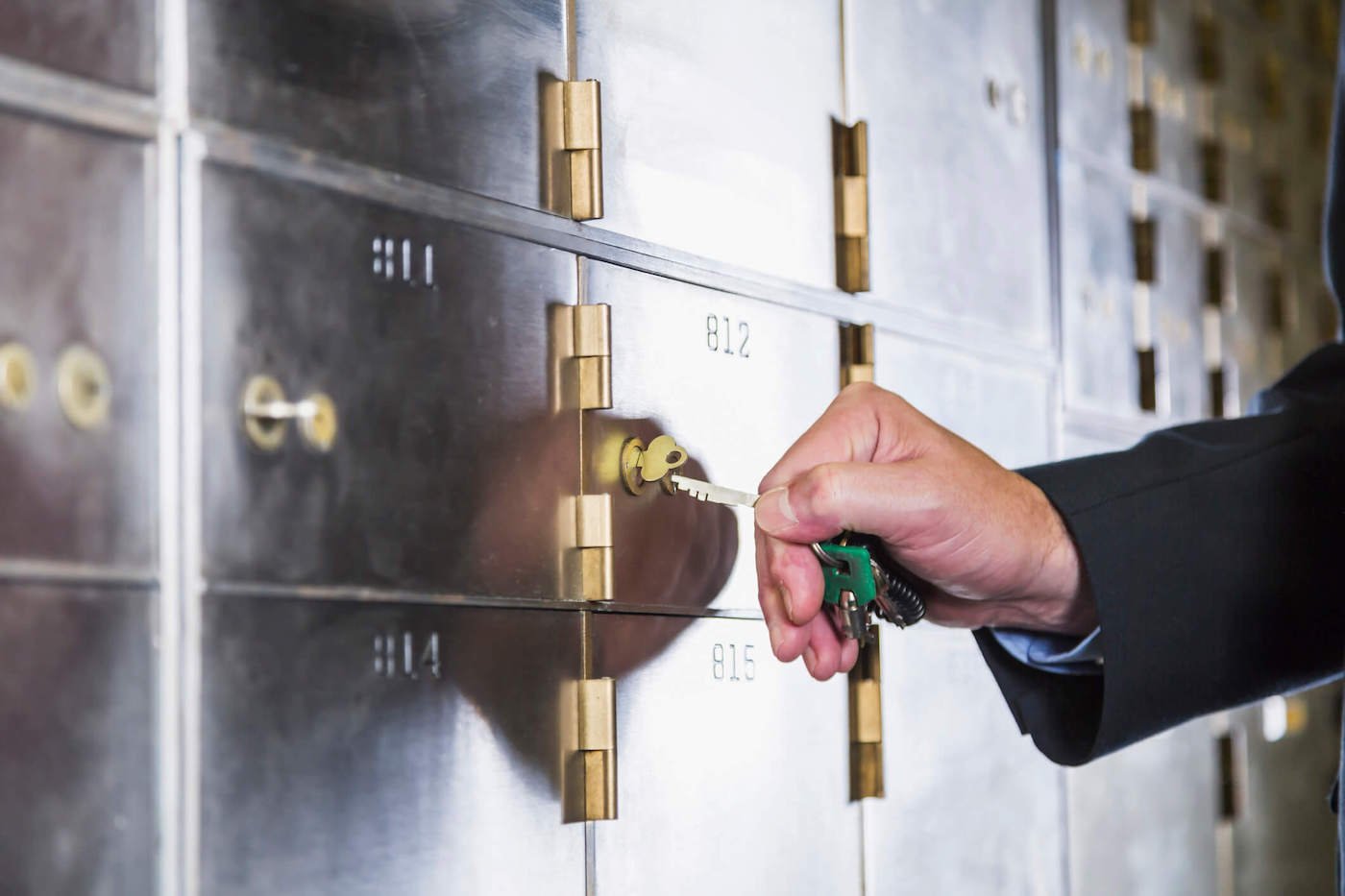
What to Keep in a Safety Deposit Box: Essential Tips, What to Avoid, and Best Practices
Wondering what to keep in a safety deposit box? A safety deposit box can protect precious items, documents, and heirlooms from loss, theft, or natural disasters. But knowing what belongs inside—and what definitely doesn’t—is crucial for both convenience and legal reasons. Let’s explore the do’s and don’ts of what to keep in a safety deposit box to safeguard your valuables effectively.
Why Use a Safety Deposit Box?
A safety deposit box, also known as a lockbox, is a secure, cost-effective option to store items you can’t risk losing. Key benefits include:
- Protection from theft, fire, flood, and other disasters
- Added privacy for sensitive or valuable items
- Peace of mind, especially for items with sentimental value
Despite the digital age, many people still prefer physical storage for irreplaceable valuables and documents.
What to Keep in a Safety Deposit Box
Recommended Valuables
Typical items you may safely store include:
- Jewelry, coins, and collectibles
- Gold, silver, and other bullion
- Heirlooms with sentimental value
- Rare stamps and memorabilia
Important Documents
Documents that are important but not urgently needed in daily life include:
| Document | Reason to Store |
|---|---|
| Birth & adoption certificates | Proof of identity and family records |
| Marriage & divorce certificates | Legal records often required later |
| Property titles (home, car) | Proof of ownership |
| Insurance policies | Valuable if you need to make a claim |
| Stock & bond certificates | Essential financial documents |
| Citizenship papers & diplomas | Important records of personal history |
| Business agreements | Critical to company ownership or operations |
What Not to Keep in a Safety Deposit Box (and Why)
Original Will
When it comes time to probate your estate, the court must see the original Will. If your executor doesn’t have access to your safety deposit box, they won’t be able to retrieve it—leading to unnecessary legal delays.
Power of Attorney & Health Care Directive
These documents should be accessible at a moment’s notice, not locked away. If your attorney can’t access them, they can’t act on your behalf when needed.
Other Items to Avoid
- Passport: Needed for emergencies, especially outside banking hours.
- Burial contracts: Keep them accessible to your executor, along with funeral details.
- Uninsured valuables: Items in a safety deposit box may not be covered under homeowner’s insurance.
- Cash: Not insured by FDIC, doesn’t earn interest, and can’t be accessed quickly.
- Firearms: Better stored in a secure gun safe at home.
Where to Keep Estate Planning Documents Instead
- Fireproof, bolted-down home safe
- Lawyer’s office (protected by professional safes)
- Secure digital vault (for copies only)
Always communicate with loved ones about where your key documents are stored to prevent confusion later.
FAQs About What to Keep in a Safety Deposit Box
1. Can I keep cash in a safety deposit box?
It’s possible, but not recommended—cash isn’t insured and can’t be accessed if the bank is closed.
2. Should I store my passport in a safety deposit box?
No. You may need it urgently for unexpected travel, so keep it somewhere accessible.
3. Who can access my safety deposit box after death?
Only someone listed as a joint owner or keyholder; otherwise, your executor may need a court order.
4. Are items in a safety deposit box insured?
Not by the bank itself. You should check your homeowner’s insurance or purchase a separate policy.
5. What’s the best place to store my original Will?
In your lawyer’s office or a secure, fireproof safe at home where your executor can access it.
Conclusion
Knowing what to keep in a safety deposit box helps protect your valuables and avoid unnecessary complications. Store irreplaceable valuables and important but non-urgent documents, and keep time-sensitive estate planning documents accessible elsewhere. With thoughtful planning, you can ensure your legacy remains safe, secure, and easily managed when it matters most.