
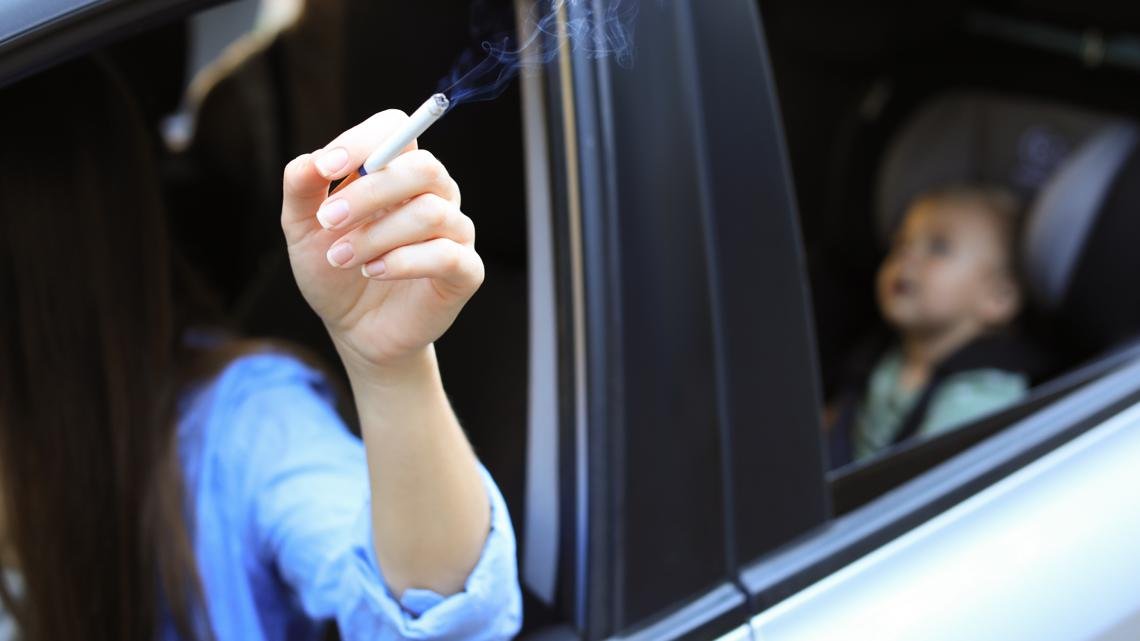
Is It Legal to Smoke in a Car With a Child in Canada?
If you’re asking whether you can legally smoke in a car with a child in Canada, the answer is clear: it’s prohibited across all provinces and territories. Canadian law considers secondhand smoke exposure in confined spaces, such as vehicles, a significant public health concern-especially for children, whose developing lungs are more susceptible to damage.
This article explores the legal restrictions, regional regulations, and the serious health implications of smoking in a vehicle when minors are present.
Provincial Laws on Smoking in Cars With Children in Canada
In Canada, every province and territory has enacted legislation banning smoking in vehicles when children are present. These laws aim to protect minors from the dangers of secondhand smoke and are typically enforced through fines and penalties.
Examples of provincial laws include:
Ontario: Smoking is banned in vehicles with passengers under 16.
British Columbia: Prohibited when a person under 16 is in the car.
Alberta: Illegal if any person under 18 is present.
Quebec: Smoking in cars with minors under 16 is banned.
Nova Scotia and Newfoundland & Labrador: Smoking with passengers under 19 is not allowed.
While the age threshold may vary slightly, the objective remains the same: to prevent children from being exposed to harmful tobacco smoke in enclosed spaces.
Health Risks of Secondhand Smoke to Children
Smoking in a car-even with the windows open-exposes children to concentrated levels of toxic chemicals. According to Canadian public health authorities, secondhand smoke can linger long after a cigarette is extinguished and poses severe risks to young passengers.
Health effects of secondhand smoke in children include:
Increased risk of asthma and respiratory infections
Higher likelihood of developing ear infections
Greater susceptibility to sudden infant death syndrome (SIDS)
Slower lung development and long-term respiratory problems
Children’s bodies are still developing, and they breathe more rapidly than adults, making them more vulnerable to the effects of smoke.
Smoking Laws Around the World: A Quick Comparison
While Canada has strong regulations, laws differ significantly worldwide:
United Kingdom: Bans smoking in cars with anyone under 18, excluding open-top convertibles.
Australia: Most states prohibit smoking in cars with minors, typically under age 16 or 18.
United States: Regulations vary by state. Some have bans, others do not.
Europe: Countries like France, Ireland, and Italy have implemented similar protections for minors.
Global health organizations continue to push for more unified and stringent smoke-free vehicle laws.
Why Enforcement Still Faces Challenges
Despite laws being in place, enforcement is not always consistent. Factors that contribute to under-enforcement include:
Lack of awareness among the public and law enforcement
Difficulty in detecting offenses in real-time
Limited resources dedicated to public health compliance
Education and public awareness campaigns are essential for closing this gap and ensuring children’s health remains protected.
Why This Issue Goes Beyond Legality
The conversation about smoking in cars with children is not just a legal debate-it’s a moral and public health imperative. Governments, parents, and communities must work together to:
Educate about the dangers of secondhand smoke
Encourage smoke-free environments
Advocate for consistent enforcement
Protecting children’s health is a shared responsibility, and reducing their exposure to smoke in confined spaces like cars is a critical step forward.
FAQ: Smoking in a Car With a Child in Canada
Is it illegal to smoke in a car with a child in Canada?
Yes. All provinces and territories in Canada have made it illegal to smoke in a vehicle with minors present. The age limit may vary but typically ranges from under 16 to under 19.
What is the penalty for smoking in a car with a child?
Fines vary by province but can range from $100 to $500 or more, depending on the location and whether it’s a repeat offense.
Does the law apply to vaping or e-cigarettes?
Some provinces include e-cigarettes and vaping under their smoke-free vehicle laws. It’s important to check the local regulations for specifics.
Can I smoke in a convertible with the top down?
In most Canadian provinces, the ban applies regardless of whether the windows are down or the vehicle is a convertible. The enclosed nature of a car still puts children at risk.
Why is secondhand smoke more dangerous in cars?
Cars are confined spaces, so smoke concentrations are higher even with ventilation. Children breathe faster and are more vulnerable, making them more susceptible to serious health effects.
Conclusion
When it comes to smoking in a car with a child in Canada, the law is clear-and for good reason. Protecting young passengers from harmful smoke exposure is not just about legal compliance; it’s about prioritizing their health and future well-being. With consistent enforcement and growing awareness, Canada remains at the forefront of global efforts to create smoke-free environments for children.