
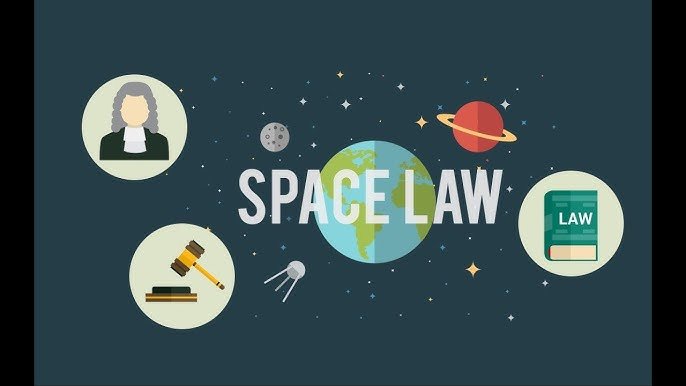
The Future of Space Law: Challenges, Regulations, and Commercialization
Space law is evolving rapidly with the rise of space tourism and private sector involvement. The Outer Space Treaty of 1967 set the foundation for international space regulations, but new challenges such as private ownership, liability, and environmental concerns necessitate legal updates. As companies like SpaceX and Blue Origin expand their operations, the legal landscape must keep pace to ensure safe and fair space exploration.
The Foundation of Space Law
Key International Treaties
Space law is primarily governed by international treaties that establish rules for peaceful exploration and cooperation:
- Outer Space Treaty (1967): Prohibits claims of sovereignty and bans the use of nuclear weapons in space.
- Rescue Agreement (1968): Mandates assistance for astronauts in distress, regardless of nationality.
- Liability Convention (1972): Establishes accountability for damage caused by space objects.
- Registration Convention (1976): Requires nations to register space objects with the United Nations.
- Moon Agreement (1984): Addresses resource utilization on celestial bodies, though not widely adopted.
Challenges in Modern Space Law
Property Rights and Resource Ownership
While the Outer Space Treaty prohibits national ownership of celestial bodies, it does not clarify whether private companies can claim resources from asteroids or planets. This legal gap creates uncertainty for businesses investing in space mining.
Jurisdiction and Liability Issues
Determining which nation has legal authority over space activities is complex. While the Liability Convention establishes general guidelines, conflicts arise when multiple countries are involved in satellite collisions or space-related accidents.
Environmental Concerns and Space Debris
The growing number of satellites increases the risk of space debris, which can endanger future missions. International regulations need to address responsible satellite decommissioning and debris mitigation strategies to maintain long-term sustainability in space.
The Rise of Private Space Companies
Legal Implications of Commercial Space Travel
Private companies are pioneering space tourism and commercial missions. Legal frameworks must consider:
- Passenger safety regulations for space tourists.
- Liability and insurance policies in case of accidents.
- Consumer protection laws to ensure fair practices in the industry.
Satellite Deployment and Regulations
Satellites play a critical role in communication, navigation, and weather monitoring. However, overcrowding in Earth’s orbit requires stringent regulations to minimize risks and prevent collisions.
Asteroid Mining: A Legal Gray Area
Mining asteroids for minerals presents economic opportunities but also raises legal concerns:
- Ownership rights: Who has the right to extract and sell resources?
- Environmental responsibility: How do we prevent ecological damage in space?
- International cooperation: How can nations work together to ensure fair access to resources?
The Future of Space Law
Role of AI and Technology in Space Regulation
Artificial intelligence can enhance space traffic management, monitor space debris, and assist in enforcing legal frameworks. As technology advances, AI will play a vital role in shaping the next generation of space regulations.
Sustainability and Global Cooperation
Ensuring long-term access to space requires environmental protections and international agreements. Future space laws should focus on:
- Sustainable exploration to prevent excessive resource exploitation.
- Debris mitigation policies to minimize risks for future missions.
- Ethical considerations in space colonization and human expansion beyond Earth.
FAQs About Space Law
1. What is the Outer Space Treaty, and why is it important?
The Outer Space Treaty (1967) is the foundation of international space law, ensuring that space remains a domain for peaceful exploration and prohibiting national claims of sovereignty over celestial bodies.
2. Can private companies own land on the Moon or Mars?
No, according to the Outer Space Treaty, no nation or private entity can claim ownership of celestial bodies. However, laws regarding resource extraction remain unclear.
3. How is space debris regulated?
Currently, space debris management relies on voluntary guidelines set by organizations like the United Nations Office for Outer Space Affairs (UNOOSA) and national regulations from space-faring countries.
4. Are there legal consequences for damaging another country’s satellite?
Yes, under the Liability Convention (1972), the responsible party must compensate for any damage caused by their space objects.
5. How will space law evolve in the future?
Future space law will focus on sustainability, commercial regulations, and AI-driven enforcement to manage space activities effectively and ensure long-term exploration benefits for all humanity.
Conclusion
As space exploration expands beyond government agencies to private companies, space law must adapt to address emerging challenges. From regulating space tourism to managing satellite deployments and asteroid mining, international cooperation and legal advancements are crucial for maintaining a safe and fair outer space environment. By refining existing treaties and incorporating new technological solutions, humanity can ensure sustainable and ethical space activities for future generations.