Is It Legal to Sell Expired Food in Canada?
Have you ever asked yourself, is it legal to sell expired food in Canada? The answer isn’t as straightforward as you might expect. While federal food safety agencies regulate labelling and consumption risks, actual sales practices around expired food involve both legal nuances and ethical concerns. Understanding how the system works can help you make better food choices and avoid confusion at the grocery store.
What Does the Law Say About Selling Expired Food?
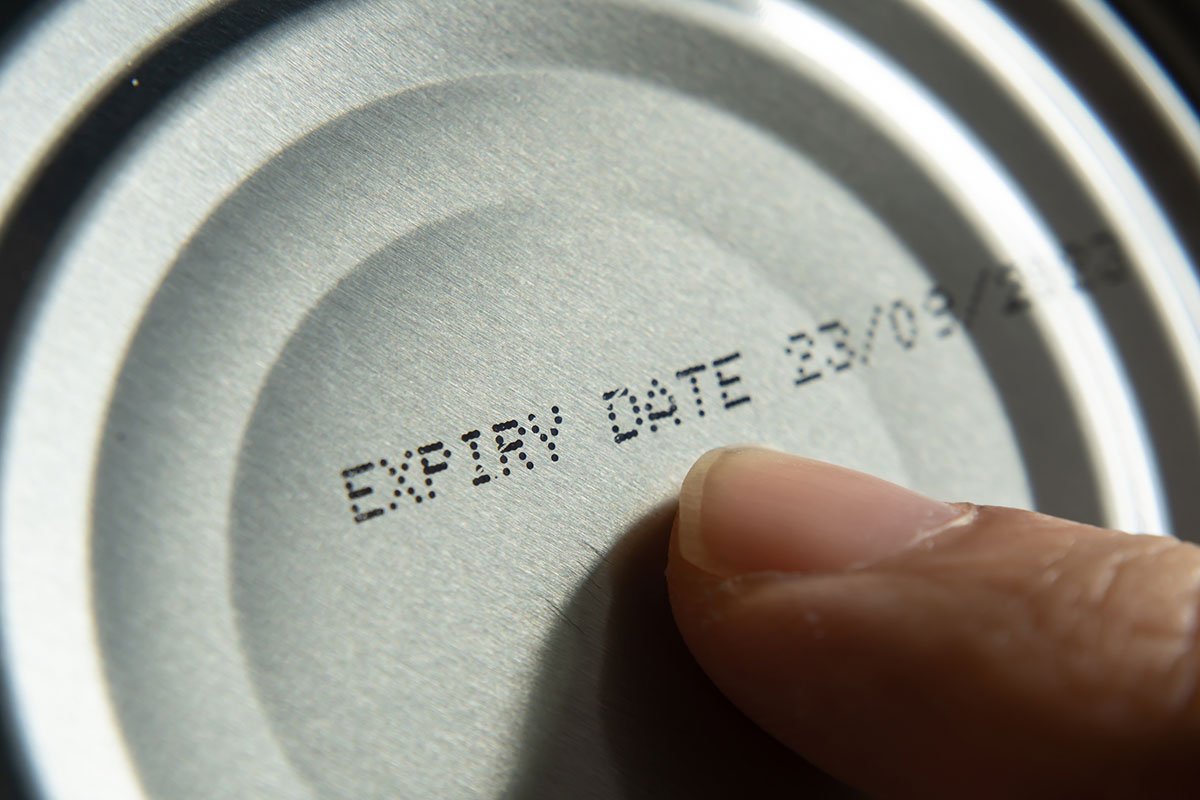
In Canada, the Canadian Food Inspection Agency (CFIA) mandates clear labelling on food products but does not outright prohibit the sale of expired food. There is no federal law that makes it illegal to sell food after its “Best Before” date-especially for non-perishable items.
Key Legal Highlights:
“Best Before” dates are about quality, not safety.
“Use By” dates are applied to products where consumption after that date could pose health risks.
Retailers may still sell items past their “Best Before” date if the food is not spoiled or harmful.
Provincial Regulations: A Closer Look
Provincial laws can add another layer of regulation. For example, in Ontario:
The Health Protection and Promotion Act and Food Premises Regulation prohibit the sale of food unfit for human consumption.
Selling expired food that poses a health risk could result in fines or legal action.
So while it may not be illegal across the board, there are serious consequences if the product sold becomes hazardous after expiration.
Public Perception and Consumer Behavior
Legal or not, public perception heavily influences retailer behavior. According to Canadian consumer studies:
More than 70% of Canadians believe expired food should not be sold.
Many shoppers check expiration dates closely and avoid outdated products altogether.
This societal pressure often compels stores to remove expired products, even if the law doesn’t demand it.
How the UK Handles Expired Food Sales
Similar to Canada, the UK permits the sale of food past its “Best Before” date as long as it’s safe. However, the “Use By” date is a legal cutoff, and selling items beyond that point is not allowed.
UK grocery chains have responded with creative solutions to combat food waste:
Discounted “Best Before” products in clearance bins
Special campaigns to educate consumers about food date labels
Donations to food banks under regulated safety guidelines
Notable Legal Cases in Food Expiry Controversies
Several high-profile incidents have raised public awareness:
A Canadian supermarket chain faced backlash for stocking expired baby food, triggering a class-action lawsuit and CFIA investigation.
In the UK, a major retailer was fined after inspectors found expired meat on display.
These cases emphasize the difference between quality and safety, especially when dealing with perishable goods.
Common Misunderstandings: “Best Before” vs. “Use By”
Consumers often confuse the meaning of these two terms:
Best Before Date: Indicates peak freshness. Food may still be safe afterward.
Use By Date: Safety warning. Consumption after this date could be dangerous.
Understanding this distinction is crucial for both consumers and retailers.
Ethical Considerations and Food Waste
Selling or donating food that’s past its “Best Before” date can reduce waste and help address food insecurity. However, it must be done responsibly and within safety guidelines.
Ethical concerns include:
Avoiding misleading consumers
Ensuring food donations remain safe
Balancing profit with public health
Retailers, legal experts, and food safety advocates are increasingly calling for standardized national policies to tackle these issues effectively.
Tips for Consumers: How to Stay Informed
Want to make better choices at the store? Here are a few quick tips:
Always check the “Best Before” and “Use By” labels
Avoid products with damaged packaging or a foul odor
If in doubt, ask the store for clarification
Use online tools or apps that help track food freshness
FAQ About Selling Expired Food in Canada
Is it illegal to sell expired food in Canada?
Not necessarily. There’s no federal ban on selling food past its “Best Before” date, but selling unsafe food that poses health risks is illegal.
What is the difference between “Best Before” and “Use By” dates?
“Best Before” refers to product quality and freshness, while “Use By” indicates food safety. Consuming food after the “Use By” date is not recommended.
Can grocery stores be fined for selling expired food?
Yes, if the expired product is deemed unsafe for consumption, stores can face penalties or lawsuits depending on provincial regulations.
Do stores have to remove all expired products?
No, but most choose to remove or discount expired items due to public pressure and brand reputation concerns.
Can expired food be donated to food banks?
Yes, many food banks accept products past their “Best Before” date, provided they are safe and properly stored. Donation guidelines vary by province.
By understanding the laws and consumer expectations around expired food, you can shop smarter and reduce unnecessary food waste. Whether you’re a business owner or a concerned consumer, staying informed helps ensure safety and sustainability in Canada’s food system.